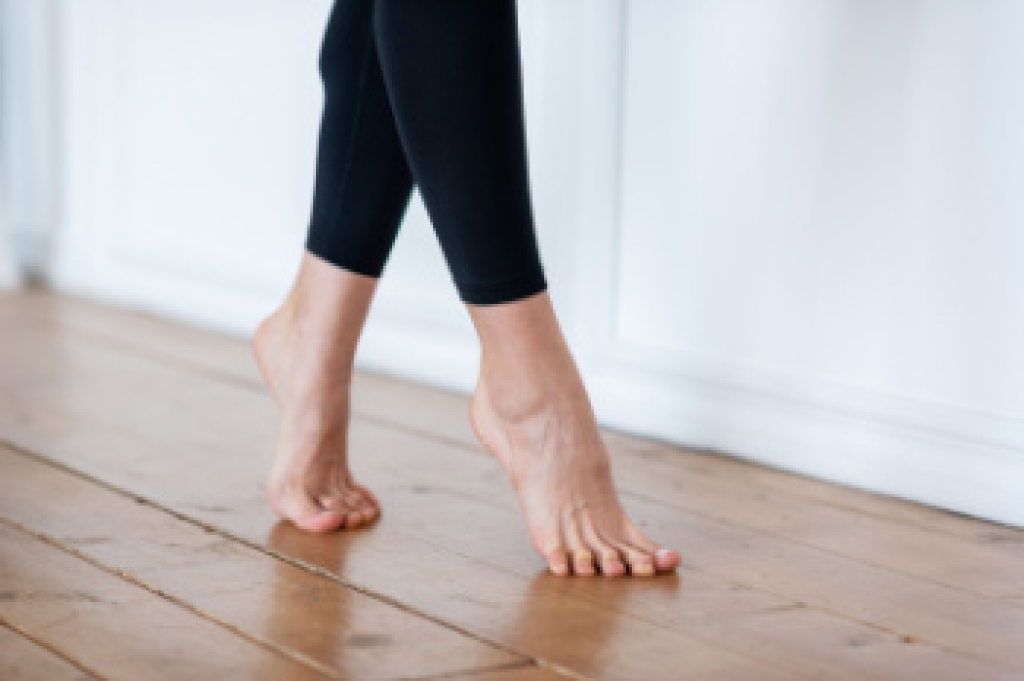
Ankle Warm-Up Exercises for Enhanced Flexibility

Warming up the ankles before running is essential for preventing injuries and improving overall mobility. Incorporating specific exercises can enhance flexibility and strengthen the surrounding muscles. One effective exercise is the Achilles tendon stretch, which involves gently leaning forward while keeping the back leg straight to stretch the tendon and calf muscles. Ankle inversion and eversion exercises further promote joint stability. To perform ankle inversion, rotate the foot inward against resistance, while ankle eversion involves moving the foot outward. Both movements help strengthen the muscles around the ankle, enhancing support. The ankle alphabet is a fun and effective way to improve range of motion. While seated, use the big toe to trace each letter of the alphabet in the air. These warm-up exercises not only prepare the ankles for running but also contribute to better overall performance and reduced risk of injury. If you have injured your foot or ankle while running, it is suggested that you consult a podiatrist who can offer appropriate treatment options, and guide you on additional injury prevention techniques.

Exercising your feet regularly with the proper foot wear is a great way to prevent injuries. If you have any concerns about your feet, contact Magdy Issa, DPM of Charlotte Family Podiatry and Wound Center. Our doctor will treat your foot and ankle needs.

How to Prevent Running Injuries

Many common running injuries are caused by overuse and overtraining. When the back of the kneecap starts wearing out and starts causing pain in your knee, this is commonly referred to as runner’s knee. Runner’s knee is a decrease in strength in your quadriceps and can occur if you’re not wearing properly fitted or supporting shoes. To prevent runner’s knee, focusing on hip strengthening is a good idea, as well as strengthening your quads to keep the kneecaps aligned.

What Are Some Causes of Running Injuries? 
- One cause of a common running injury is called iliotibial band syndrome.
- Plantar fasciitis is also another common injury.
- Stress fractures can occur from overtraining, lack of calcium, or even your running style.

Best Ways to Prevent Running Injuries
- Wear footwear that fits properly and suits your running needs.
- Running shoes are the only protective gear that runners have to safeguard them from injury.
- Make a training schedule. Adding strengthening exercises as well as regular stretching can help keep you strong and limber and can lessen the possibility of injuries.
- Stretching keeps muscles limber; this will help you gain better flexibility.

If you have any questions, please feel free to contact our office located in Charlotte, NC . We offer the newest diagnostic and treatment technologies for all your foot care needs.
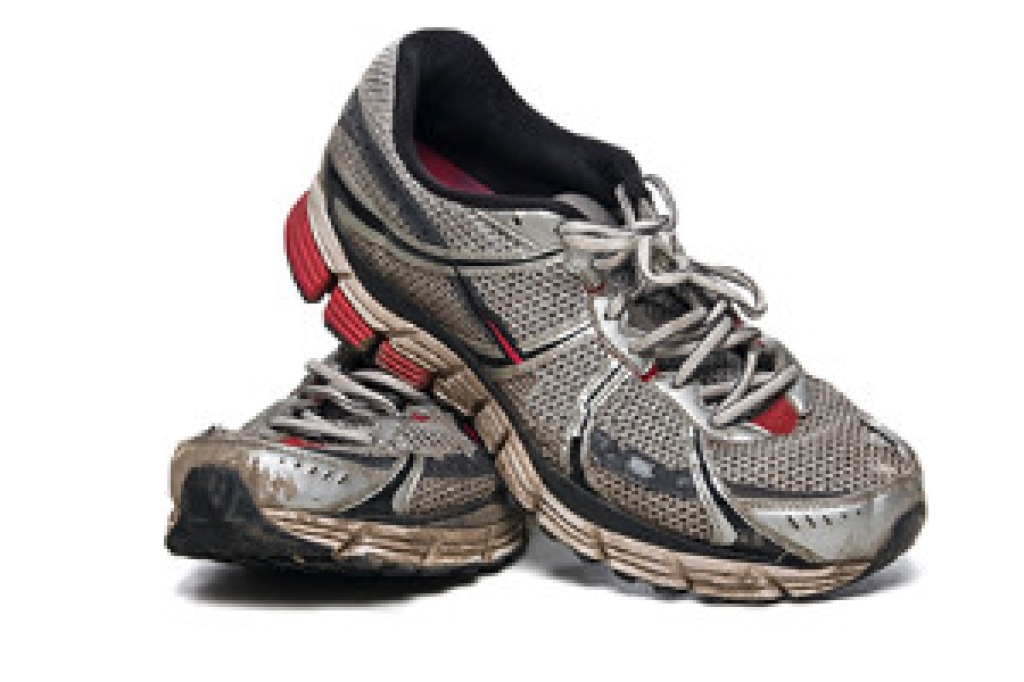
Read more about How to Prevent Running Injuries

Differences to Consider in Walking and Running Shoes

Choosing the right footwear is essential for comfort and injury prevention, and understanding the differences between walking and running shoes is important. One key difference lies in heel design, as running shoes typically have a more pronounced heel drop to accommodate the forward motion and impact associated with running. In contrast, walking shoes often feature a lower heel to promote a more natural foot movement. Flexibility is another significant distinction, and walking shoes tend to be more flexible, allowing for a smooth rolling motion, while running shoes are stiffer to provide support during the higher impact of running. Cushioning also varies. Running shoes generally offer more cushioning to absorb shock, whereas walking shoes prioritize stability and comfort for prolonged use. If you have foot pain from wearing ill-fitting shoes, it is suggested that you consult a podiatrist who can treat various foot conditions and provide additional guidance on shoe selection.

For more information about walking shoes versus running shoes, consult with Magdy Issa, DPM from Charlotte Family Podiatry and Wound Center. Our doctor can measure your feet to determine what your needs are and help you find an appropriate pair of footwear.

Foot Health: The Differences between Walking & Running Shoes

There are great ways to stay in shape: running and walking are two great exercises to a healthy lifestyle. It is important to know that running shoes and walking shoes are not interchangeable. There is a key difference on how the feet hit the ground when someone is running or walking. This is why one should be aware that a shoe is designed differently for each activity.

You may be asking yourself what the real differences are between walking and running shoes and the answers may shock you.

Differences

Walking doesn’t involve as much stress or impact on the feet as running does. However, this doesn’t mean that you should be any less prepared. When you’re walking, you land on your heels and have your foot roll forward. This rolling motion requires additional support to the feet.

Flexibility – Walking shoes are designed to have soft, flexible soles. This allows the walker to push off easily with each step.

If you have any questions, please feel free to contact our office located in Charlotte, NC . We offer the newest diagnostic and treatment technologies for all your foot care needs.
Read more about Differences between Walking and Running Shoes

Why Do Children Have Flat Feet?

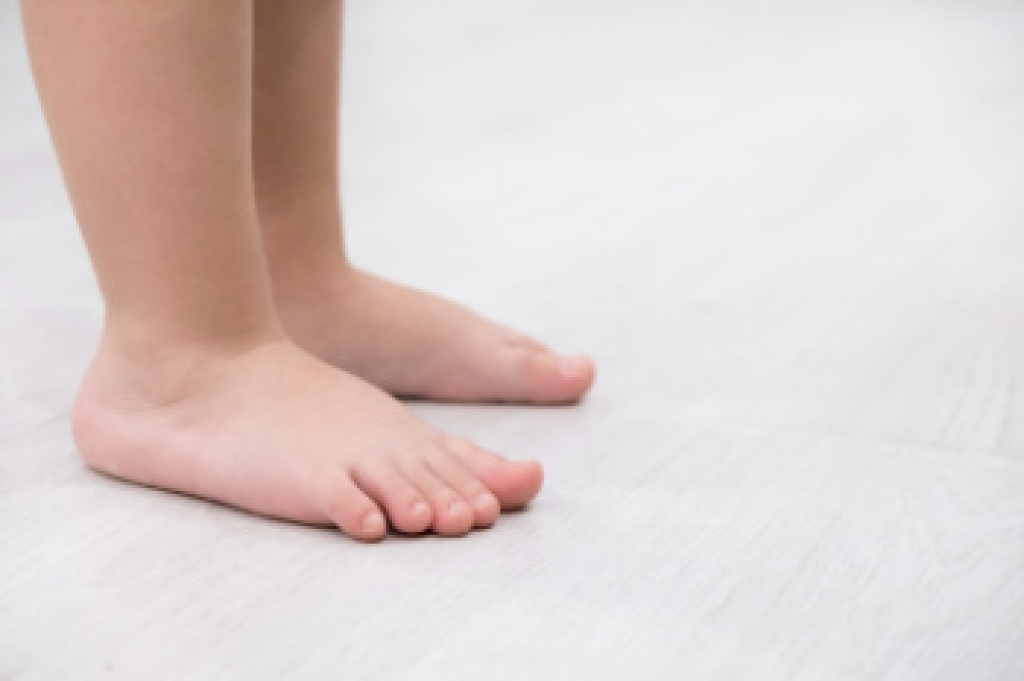
Flat feet, or fallen arches, are common in children and can be attributed to various factors. Genetic predisposition often plays a significant role, as flat feet can run in families. In many cases, children may develop arches as they grow, but some may continue to have flat feet into adulthood. Other contributing factors include ligament laxity and muscle weakness, which can affect the foot's structure. Symptoms of flat feet often include discomfort or pain in the feet, especially after prolonged activity. Children may also experience fatigue, difficulty standing for long periods, or balance issues. Flat feet can lead to complications such as pain in the knees, hips, or lower back. If your child is experiencing pain or discomfort from having flat feet, it is suggested that you contact a podiatrist who can provide effective relief solutions.

Flatfoot is a condition many people suffer from. If you have flat feet, contact Magdy Issa, DPM from Charlotte Family Podiatry and Wound Center. Our doctor will treat your foot and ankle needs.

What Are Flat Feet?

Flatfoot is a condition in which the arch of the foot is depressed and the sole of the foot is almost completely in contact with the ground. About 20-30% of the population generally has flat feet because their arches never formed during growth.

Conditions & Problems:

Having flat feet makes it difficult to run or walk because of the stress placed on the ankles.

Alignment – The general alignment of your legs can be disrupted, because the ankles move inward which can cause major discomfort.

Knees – If you have complications with your knees, flat feet can be a contributor to arthritis in that area.  

Symptoms

  • Pain around the heel or arch area
  • Trouble standing on the tip toe
  • Swelling around the inside of the ankle
  • Flat look to one or both feet
  • Having your shoes feel uneven when worn

Treatment

If you are experiencing pain and stress on the foot you may weaken the posterior tibial tendon, which runs around the inside of the ankle. 

If you have any questions, please feel free to contact our office located in Charlotte, NC . We offer the newest diagnostic and treatment technologies for all your foot care needs.
Read more about Flat Feet

Get Professional Care for a Broken Foot or Ankle

Constant care and regular evaluation are important for a foot or ankle fracture. If left untreated, foot or ankle fractures can worsen over time and create more serious problems.

Don't wait to be examined if you believe you've experienced a foot or ankle fracture.

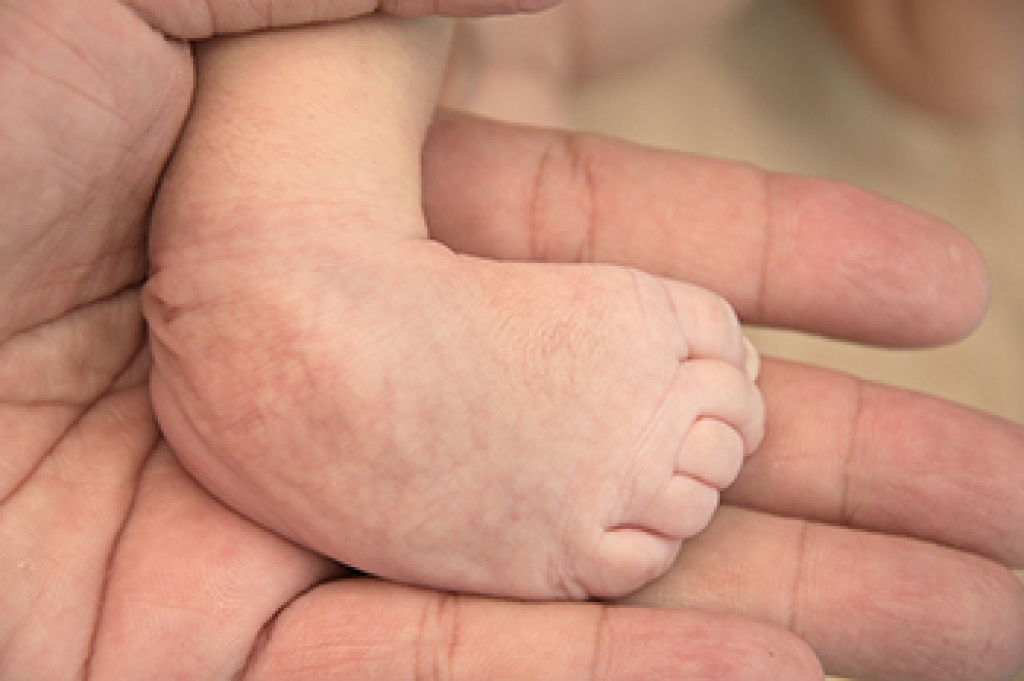
A Brief Overview of Congenital Foot Deformities

Congenital foot deformities encompass a range of conditions that affect the structure and function of the feet from birth. Metatarsus adductus is characterized by an inward curve of the front of the foot, while clubfoot appears as a twisted position that may require intervention. Polydactyly involves the presence of extra toes, adding complexity to foot development. Another condition, congenital vertical talus, results in a rigid flat foot that can impact mobility if not treated early. Congenital curly toes refer to toes that curl under, which may cause discomfort or difficulties in walking. While these deformities can vary in severity, early diagnosis and appropriate treatment are essential for promoting healthy foot function and mobility. If your child suffers from a congenital foot deformity, it is suggested that you see a podiatrist who can prescribe the correct treatment and provide essential management tips. 

Congenital foot problems require immediate attention to avoid future complications. If you have any concerns, contact Magdy Issa, DPM of Charlotte Family Podiatry and Wound Center. Our doctor can provide the care you need to keep you pain-free and on your feet.

Congenital foot problems are deformities affecting the feet, toes, and/or ankles that children are born with. Some of these conditions have a genetic cause while others just happen. Some specific foot ailments that children may be born with include clubfeet, polydactyly/macrodactyly, and cleft foot. There are several other foot anomalies that can occur congenitally. What all of these conditions have in common is that a child may experience difficulty walking or performing everyday activities, as well as trouble finding footwear that fits their foot deformity. Some of these conditions are more serious than others. Consulting with a podiatrist as early as possible will help in properly diagnosing a child’s foot condition while getting the necessary treatment underway.

What are Causes of Congenital Foot Problem?

A congenital foot problem is one that happens to a child at birth. These conditions can be caused by a genetic predisposition, developmental or positional abnormalities during gestation, or with no known cause.

What are Symptoms of Congenital Foot Problems?

Symptoms vary by the congenital condition. Symptoms may consist of the following:

  • Clubfoot, where tendons are shortened, bones are shaped differently, and the Achilles tendon is tight, causing the foot to point in and down. It is also possible for the soles of the feet to face each other.
  • Polydactyly, which usually consists of a nubbin or small lump of tissue without a bone, a toe that is partially formed but has no joints, or an extra toe.
  • Vertical talus, where the talus bone forms in the wrong position causing other bones in the foot to line up improperly, the front of the foot to point up, and the bottom of the foot to stiffen, with no arch, and to curve out.
  • Tarsal coalition, when there is an abnormal connection of two or more bones in the foot leading to severe, rigid flatfoot.
  • Cleft foot, where there are missing toes, a V-shaped cleft, and other anatomical differences.
  • Macrodactyly, when the toes are abnormally large due to overgrowth of the underlying bone or soft tissue.

Treatment and Prevention

While there is nothing one can do to prevent congenital foot problems, raising awareness and receiving neonatal screenings are important. Early detection by taking your child to a podiatrist leads to the best outcome possible.

If you have any questions, please feel free to contact our office located in Charlotte, NC . We offer the newest diagnostic and treatment technologies for all your foot care needs.

Read more about Congenital Foot Problems

Connect With Us

scroll to top